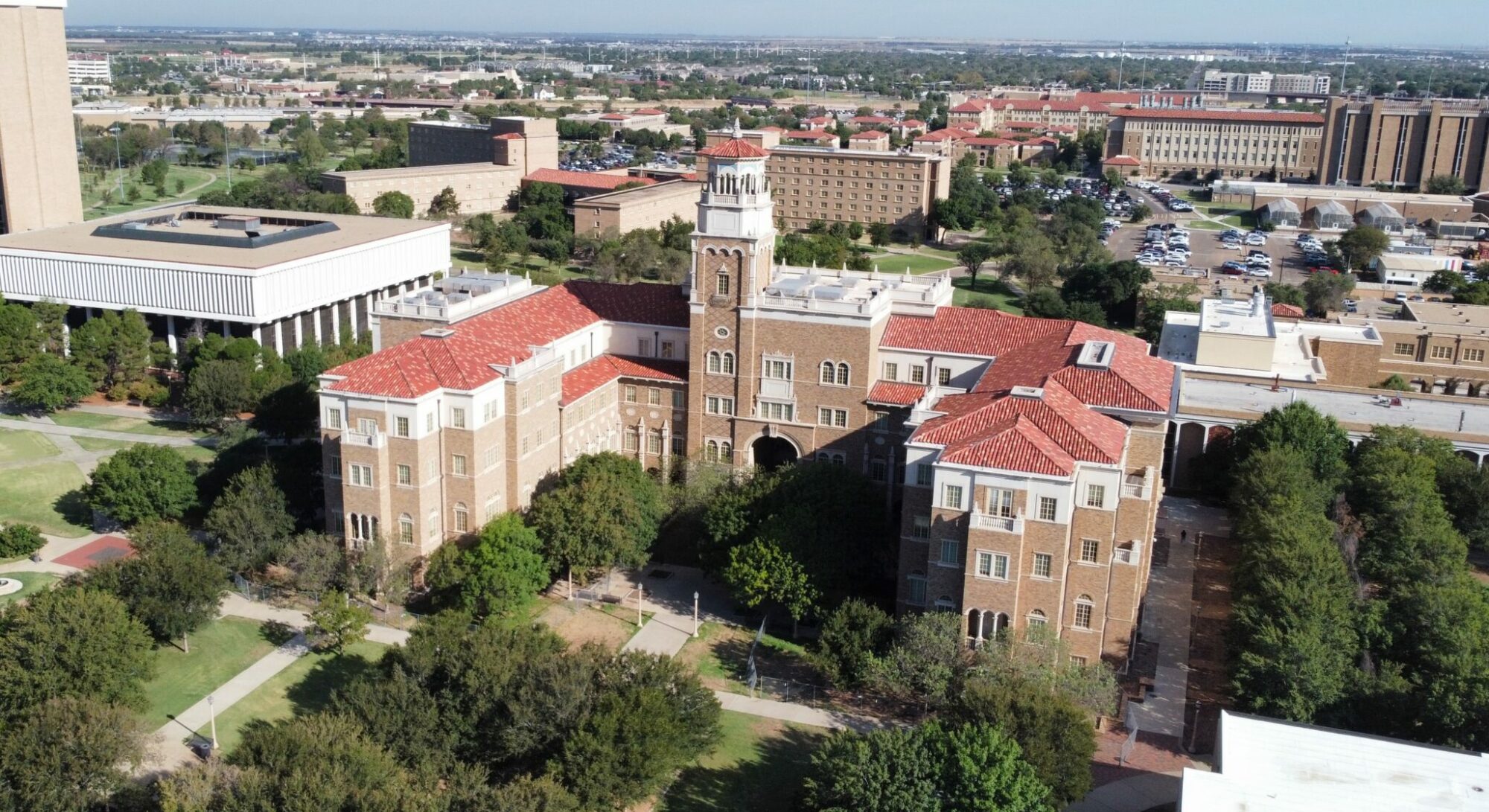
Whether you will be joining us Onsite or Online, you can find information about our program here.

APPLICATION DEADLINE FOR ON-SITE AND ONLINE FALL 2024 ADMISSION: JANUARY 11, 2024
Our Program
The PhD qualifies people to conduct independent research by various methods and thus to contribute to knowledge. The PhD is usually a qualification for a professorial position in a university. The aims of study are broad knowledge of the literature on technical communication and rhetoric, specialized knowledge of some aspect of technical communication or rhetoric as reflected in the dissertation research, and ability to conduct ongoing independent research using one or more methods.
The PhD in Technical Communication & Rhetoric (TCR) is designed for students with an interest in rhetoric, writing, technical communication, and composition. The degree in TCR requires 48 hours of graduate work in rhetoric and technical communication beyond the bachelor’s degree, 12 hours of Qualification Exam research, and an additional 12 hours of Dissertation research for a total of 72 hours. Credits earned on a master’s degree may count toward these totals.
The degree prepares students for wide array of positions at colleges, university writing programs, and industry positions. The keystone to our success is our specialized courses in qualitative and quantitative research methods taught by the largest TCR faculty program in the world.
Both online and onsite students in our program will be enrolled in the same courses, with the same professors, and earning the same quality of degree. Our faculty and programs are highly ranked for value, high academic standards, and affordability. Completing your Ph.D. at Texas Tech will give you the skills you need to succeed in classes, in applications, and in the workplace!
Each year, students in our online PhD program attend May Seminar, a two-week intensive workshop that gives online TCR doctoral students the opportunity to collaborate with peers and faculty face-to-face.
Our students can expect:
Quality
Our English Department offers trusted expertise in Technical Communication and Rhetoric degree programs.
Our faculty recently won TTU’s Departmental Award for Teaching Excellence, and those are the faculty you’ll work with in our classes.
We prepare our students to be successful: a recent survey of business recruiters ranked Texas Tech in the top ten universities nationwide in preparing our graduates for the workforce.
And, Texas Tech is in the top 3% of universities in the world, according to the Center for World University Rankings.
Affordability
When you join the English Department, we want to help you feel like you are part of our home. We offer awards, scholarships, and financial aid for undergraduate students. For more information, check out our bountiful opportunities for Awards, Scholarships, and Financial Aid in the English Department.
The graduate scholarship deadline is February 1. Apply via the TTU Graduate School’s Scholarship Portal.
Accessibility
Ph.D. in Technical Communication and Rhetoric is an accessible program that allows students to attend classes while maintaining a full-time job. We make sure that all the courses you’ll need to complete your degree are available for you to take onsite and online, and we make sure that those courses can suit your schedule.
In fall, spring, and summer semesters, we offer our courses on weekday evenings in two formats.
- online: meaning that all students attend class via video link; or
- hybrid: meaning that our online students join our onsite students in the classroom via video link.
In both types of courses, both online and onsite students have opportunities to participate in classroom discussion every step of the way. The video apps we use for these courses – Zoom and Skype – are simple to use and make it easy to be part of the conversation. You can see your professor and your classmates, and you can speak or type to make a contribution. By doing is, it allows us to reach out goal of providing both onsite and online students with the same professors, same courses, and same degree.
Areas of Emphasis
Students in our programs often specialize in one of three areas: Technical Communication and User-Centered Design; Rhetorical Theory and Practice; or Composition, Writing Studies, and Literacy. These emphasis areas are meant as heuristics to guide students in course selection and career preparation; students are encouraged to take courses in any emphasis area.
Technical Communication and User-Centered Design
Graduate students who specialize in technical communication and user-centered design gain experience in the theories, practices, histories, teaching, and management of workplace communication in institutional and non-institutional settings and in both global and local contexts. Students gain experience in a variety of technical genres; communicating with and about technologies; technical communication practices; design processes; and research methods around usability, user experience, design, and workplace communication—in preparation for positions in industry, consulting, nonprofit work, teaching, and/or research.
Rhetorical Theory and Practice
Graduate students who specialize in rhetorical theory and practice acquire knowledge in traditional study of ancient Greco-Roman rhetoric and build on that knowledge to consider myriad neglected and contemporary rhetorical practices. Students gain experience and knowledge that primes them to research and study public, embodied, visual and other sensory rhetorics; the rhetoric of science, technology, and medicine; material and environmental rhetorics; and digital and social media rhetorics. Studying how rhetors, writers, designers, and creators use available means and mediums of persuasion to engage a wide variety of contemporary audiences unites the disparate areas.
Composition, Writing, and Literacy Studies
Graduate students who specialize in composition, writing, and literacy studies gain experience that prepares them to research and study writing, the teaching of writing, composing practices, literacy practices and ideologies, online literacy and writing instruction, digital cultures and new media rhetoric, writing program administration, and other issues related to writing and literacy.
Ready to start your degree?

For more information, explore the PhD Degree Requirements.
For questions, please visit our FAQ or contact the Program Director and Advisor, Dr. Beau Pihlaja at
Department of English
ADDRESS
P.O. Box 43091 Lubbock, TX 79409-3091
PHONE
806.742.2501